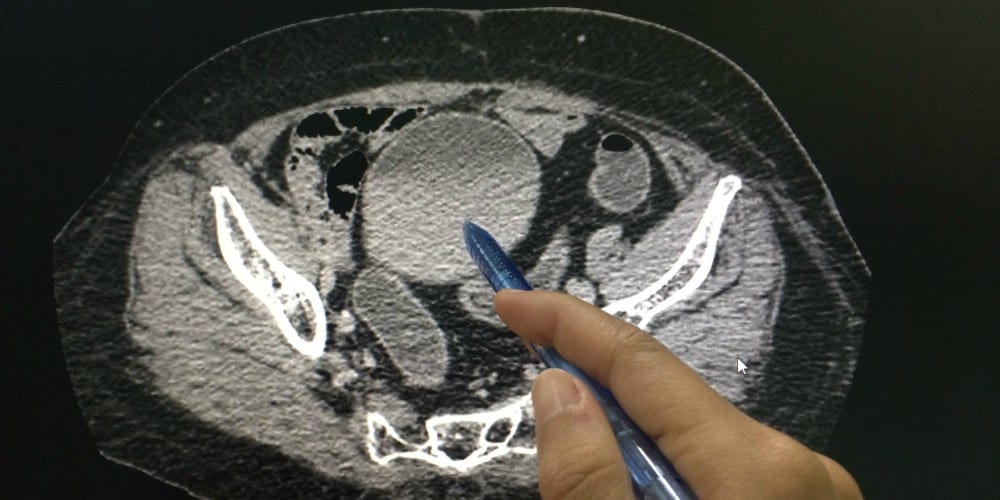
A pelvic CT scan is a powerful imaging tool that can detect and monitor multiple cancer types, including colorectal, bladder, cervical, prostate, ovarian, and testicular cancers. This non-invasive procedure helps doctors identify tumors, determine cancer staging, check for metastasis to lymph nodes, and track treatment response. Whether you’re preparing for your first pelvic CT scan or want to understand how it aids in cancer detection, this guide covers what the scan is, which cancers it detects, when doctors recommend it, how to prepare, and answers to frequently asked questions.
What is a Pelvic CT Scan?
A pelvic CT (computed tomography) scan is an advanced medical imaging procedure that creates detailed cross-sectional images of the pelvis area. The scan uses X-ray technology combined with computer processing to produce multiple “slices” or images of your pelvic organs, bones, soft tissues, and blood vessels.
During the procedure, you lie on a motorized table that slides through a large, donut-shaped CT scanner. As the machine rotates around your body, it takes numerous X-ray images from different angles. A computer then combines these images to create comprehensive, three-dimensional views of your pelvic region, including the bladder, reproductive organs, rectum, lymph nodes, and surrounding structures.
How Does a Pelvic CT Scan Help Detect Cancers?
Pelvic CT scans are invaluable tools in cancer care, providing critical information at every stage of diagnosis and treatment.
Ways a Pelvic CT Scan Helps Detect Cancer:
- Detection: Finds abnormal growths, masses, and tumors in pelvic organs and tissues
- Staging: Shows the tumor’s size, shape, exact location, and characteristics to determine cancer stage
- Monitoring: Tracks tumor growth, shrinkage, or stability during and after treatment
- Metastasis Check: Determines if cancer has spread to pelvic lymph nodes, nearby organs, or distant structures
- Treatment Planning: Guides biopsies, radiation therapy planning, and surgical procedures
- Response Assessment: Evaluates how well cancer treatments like chemotherapy or radiation are working
What Type of Cancer Can You See With Pelvic CT Scans?
Pelvic CT scans can detect a range of cancers that are focused on that area of your body, but depending on the type of cancer, your doctor may suggest other images as well. Here is a look at some of the most common types of cancer and an overview of the scanning process:
Colorectal Cancer
Colorectal cancer, also called colon cancer, can be effectively detected with pelvic CT imaging. Doctors often order additional scans of the chest and abdomen to determine if the cancer has spread to other areas. CT imaging helps identify the tumor location, size, and involvement of nearby structures.
Rectal Cancer
Pelvic CT scans provide detailed views of rectal tumors and help assess their relationship to surrounding tissues. This gastrointestinal cancer benefits from the clear imaging that CT technology provides for treatment planning.
Bladder Cancer
Sometimes, you may have a CT scan to detect bladder cancer, especially in women, but often, doctors do a digital rectal exam (DRE). Then, they may use imaging tests to track the spread of the cancer, as well as biopsies and other tests.
Cervical Cancer
Doctors typically use pelvic CT scans when cervical tumors are large or when there’s concern about cancer spreading beyond the cervix. The scan helps evaluate lymph node involvement and assess whether cancer has reached the bladder, rectum, or pelvic bones.
Prostate Cancer
When prostate cancer is suspected of spreading beyond the prostate gland, CT scans help detect enlarged lymph nodes and assess involvement of surrounding structures. While early-stage prostate cancer may not require CT imaging, advanced cases benefit significantly from this technology.
Testicular Cancer
Pelvic CT scans are highly useful for detecting testicular cancer, determining its stage, and identifying spread to retroperitoneal lymph nodes. These scans are often part of the initial staging workup and follow-up surveillance after treatment.
Ovarian Cancer
With a pelvic CT scan, you can see if the ovarian cancer is affecting your kidney or bladder, check if the cancer has spread to your liver or other organs, and look for enlarged lymph nodes.
Uterine/Endometrial Cancer
Pelvic CT scans help assess the extent of uterine cancer, including whether it has invaded the uterine wall or spread to nearby lymph nodes and organs.
When Would My Doctor Recommend a Pelvic CT Scan?
Your doctor may recommend a pelvic CT scan for several reasons related to cancer detection.
Diagnostic Purposes
Your doctor may order a pelvic CT scan to help investigate unexplained pelvic pain or symptoms, evaluate abnormal findings through tests, detect suspected tumors. Doctors may also order a pelvic CT to assess why you may have recently experienced unexplained weight loss, bleeding or changes to your bladder.
Cancer Management
If your doctor suspects that you may have symptoms or results that suggest cancer, a pelvic CT scan may be ordered to help create an accurate diagnosis. A pelvic CT scan can also help determine if potential cancers have spread, monitor treatment and guide biopsies as needed.
How You Can Prepare for a Pelvic CT Scan
Before your pelvic CT scan, your doctor will discuss what you need to do to prepare, including any dietary instructions or steps to take to prepare for the contrast used during the scan.
Here is a simple list of steps you can take to best prepare for your scan:
- Notify your doctor if you are or might be pregnant, as CT scans use radiation
- Inform the technologist about any allergies, especially to contrast dye or iodine
- List all medications you’re taking, particularly if you have diabetes or kidney problems
- Discuss kidney function with your doctor if you have a history of kidney disease
- Remove metal objects like jewelry, belts, or clothing with metal fasteners before the scan
Schedule Your Pelvic CT Scan Appointment
If your doctor has referred you for a pelvic CT scan, you can schedule your same-day or next-day appointment with American Health Imaging for fast, convenient, high-quality and affordable results. Our services are in-network with 99% of insurance plans, and up to 60% less compared to hospital imaging services, making care accessible and affordable.
Frequently Asked Questions About Pelvic CT Scans and Cancer
Pelvic CT scans are highly accurate for detecting tumors and masses, typically identifying lesions as small as a few millimeters. However, CT scans alone cannot always determine if a growth is cancerous or benign. Accuracy depends on tumor size, location, and type. Your doctor may combine CT findings with other tests like biopsies, MRIs, or PET scans for definitive diagnosis. CT scans are excellent for showing tumor size, location, and spread, making them invaluable for cancer staging and monitoring.
The actual scanning process typically takes only 10-15 minutes. However, your total appointment time may be 30-60 minutes when including preparation time, such as changing into a gown, receiving contrast material, and post-scan instructions. If you need to drink oral contrast beforehand, you may need to arrive 1-2 hours early. The quick scan time makes CT an efficient imaging option for both initial diagnosis and follow-up monitoring.
The pelvic CT scan itself is painless and non-invasive. You'll need to lie still on the examination table, which may feel hard or cold. If IV contrast is used, you might feel a warm sensation, metallic taste, or brief feeling of needing to urinate when the dye is injected—these sensations are normal and pass quickly. Some patients experience mild claustrophobia in the scanner, though CT machines are more open than MRI machines. If you're anxious, talk to your technologist before the procedure.
CT scans use X-rays and are excellent for showing bone detail, detecting calcifications, and quickly evaluating multiple organs. They're typically faster and more widely available than MRIs. MRI scans use magnetic fields and radio waves, providing superior soft tissue contrast without radiation exposure. For pelvic cancers, MRIs often provide better detail of soft tissue structures like the prostate, uterus, cervix, and rectum. Your doctor will choose the best imaging method based on the specific cancer type suspected and what information is needed.
A pelvic CT scan involves more radiation exposure than a standard X-ray but remains within safe medical limits. The typical radiation dose is approximately 6-10 millisieverts (mSv), roughly equivalent to 2-3 years of natural background radiation. While CT scans do use radiation, the diagnostic benefits for detecting and monitoring cancer far outweigh the minimal risks for most patients. Radiologists use the lowest possible radiation dose while maintaining image quality. If you're concerned about radiation exposure, discuss the risks and benefits with your doctor.
Most insurance plans cover medically necessary CT scans when ordered by a physician for cancer diagnosis, staging, or monitoring. However, coverage varies by plan, and you may have deductibles, copays, or coinsurance responsibilities. Pre-authorization may be required before the scan. Contact your insurance provider before your appointment to verify coverage and understand your out-of-pocket costs. American Health Imaging offers transparent pricing and can help you understand costs before your procedure.