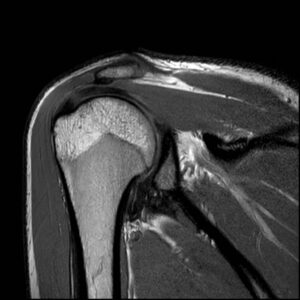



Magnetic resonance imaging (MRI) is a safe and pain-free diagnostic imaging technique that combines magnets and radio waves to create detailed images of the body’s structures. While X-rays are typically used to view bones and joints, MRIs are better suited for organs, muscles, and other soft tissues. Ultimately, being able to see detailed images of these tissues enables doctors to diagnose and monitor heart diseases, tumors, and various internal injuries.
While MRI exams are more expensive than CT scans and X-rays, they offer several key advantages. Most importantly, they enable radiologists to detect subtle abnormalities in soft tissues, which may indicate the presence of cancer, heart disease, and other serious conditions. Likewise, MRI images help doctors differentiate between healthy and unhealthy tissues.
In addition to its diagnostic benefits, MRI is a radiation-free imaging technique. This is a particularly important advantage for pregnant women and patients with compromised immune systems.
If your doctor has opted for an MRI over a CT or X-ray, you may be wondering why they have chosen the more expensive exam. Their reasoning will depend upon your specific condition, but generally, physicians order an MRI when they need to spot fine details and differentiate between normal and abnormal soft tissues. These abnormalities may include tumors, cysts, and blood vessel obstructions, as well as aneurysms, spinal cord defects, and other nervous system disorders. Throughout your treatment, your MRI can prove invaluable in making an accurate diagnosis and developing a tailored treatment plan.
Some conditions warrant MRI exams right away, but doctors usually order them after viewing the results of CT scans, X-rays or other imaging procedures. Given their higher costs, doctors and insurers often want to exhaust other options first.
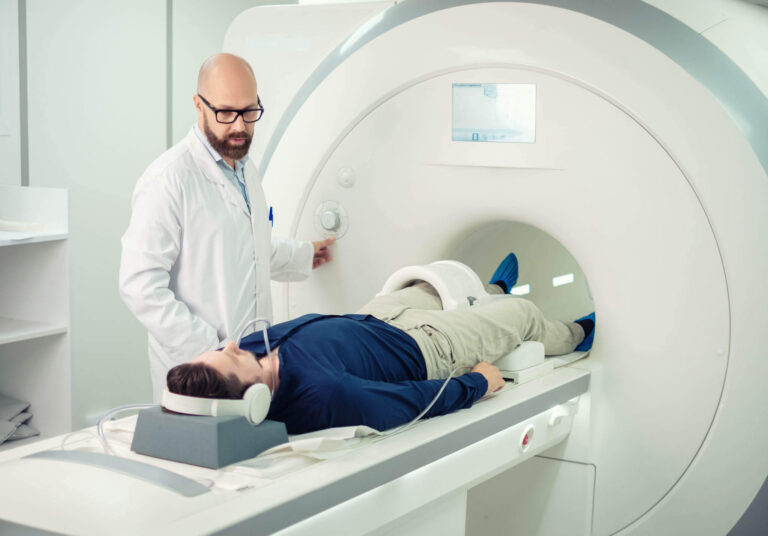
At the start of your MRI exam, your technologist will ask you to remove jewelry, belts, and other metal objects, and they will help you lie comfortably on a cushioned table. That table will then slide into the circular MRI machine, which contains the large magnet necessary to produce detailed images. As your technologist collects images, they’ll be able to see, hear, and speak to you, alleviating any concerns you may have.
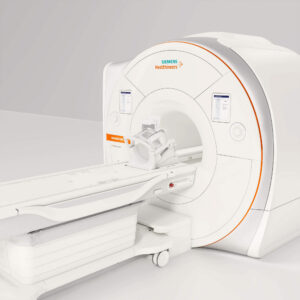
To provide for maximum comfort during your exam, American Health Imaging has invested in MRI machines with large openings and slim profiles, which help to prevent feelings of claustrophobia. You won’t feel like you’re entering a narrow tunnel, and depending upon the area of your body being imaged, your head and feet may still be in the open.
“Open” MRI refers to a specific type of MRI machine that features a non-confining opening, typically located beside or in front of the patient. During an open MRI exam, the patient sits or stands with magnets positioned to the side or above, depending on the brand and model. Compared to traditional MRI, the extra unobstructed space allows for a more pleasant, less confined experience. If your physician has ordered an MRI exam, you may want to check whether an open MRI is an option for the type of imaging study you need.
A painless, radiation-free imaging technique, MRI is completely safe for most patients. However, pregnant women are still advised not to undergo MRI exams. Given the powerful magnets involved, it’s also important to let your technologists know if you have any metal devices on or inside your body, including:
• Cardiac pacemakers
• Artificial heart valves
• Aneurysm clips
• Inner ear implants
• Intrauterine devices
• Permanent eyeliner
• Metal fragments
• Biostimulators
If a friend or family member is accompanying you to your exam, it’s likewise important to let your technologists know if they have any of these devices.
Once your doctor determines that an MRI is necessary for your diagnosis, their office will typically notify our staff and schedule your appointment accordingly. We will then verify your health insurance coverage and obtain any necessary pre-approvals or certifications. If you don’t have health insurance or if you’re facing a high deductible, we also offer excellent self-pay rates.
We offer same-day, evening and weekend appointments to ensure your exam fits within your normal schedule.
MRI exams require no special preparation. Eat and drink normally, and follow your prescribed medication dosing unless your doctor advises otherwise. Dress in loose, comfortable clothes with no metal snaps or zippers.
Most MRI exams can be completed in 30 to 60 minutes. Your doctor may request that your MRI be enhanced using a contrast medium. MRI exams with contrast usually take a few minutes longer than the same exam without contrast. More time may be required if your doctor has ordered multiple studies.
AHI now offers Faster Scanning MRI technology at many locations, reducing scan time to 10 minutes or less, depending on the exam. These shorter scan times create a more comfortable imaging experience for anxious patients or those in pain.
In most cases, yes. However, it is important to advise our staff if your guest is pregnant or has any metallic objects on or inside their body.
Yes. Your teeth and dental work will not be affected by the exam.
Most patients do not require sedation and will be able to drive immediately following the exam. If you do require a sedative to relax, however, please arrange for a friend or relative to drive you home.
Radiologists review and interpret MRI exams as soon as the results are available.* Within 24 hours to a few days, your physician will have a thorough written report, as well as copies of the images for their own inspection.
As a patient, you will receive a text message with a link to view a patient-friendly version of your imaging report, which includes easy-to-understand explanations of medical terminology and anatomical diagrams to help you better prepare for your follow-up conversation with your doctor.
Your total costs will depend upon the specific type of exam and the area being imaged. For instance, images of the brain and spinal cord tend to cost more than images of the abdomen and limbs.
MRI costs also vary widely by location. Hospitals and large outpatient facilities typically charge more than smaller, standalone clinics. These differences in price aren’t due to differences in quality, however, but rather different overhead costs. While hospitals must offer a wide variety of services 24 hours a day, dedicated imaging centers can offer more affordable exams efficiently.
Given the rising costs of healthcare, it makes sense to shop for the most affordable care. American Health Imaging can save patients up to 60% compared to hospital pricing and provide a single, easy-to-understand bill. Hospital MRI exams typically cost between $2,000 and $3,500, and you may face multiple bills for a single visit due to higher overhead costs and factors.
While our services are value-priced, our partners and equipment are state-of-the-art. By focusing solely on diagnostic imaging, we utilize specialized, expertly trained radiologists who read the images, which can be an extra cost when using hospital imaging services. We also invest in the newest, highest-quality MRI equipment and offer extra amenities you won’t find at hospitals, including curbside parking, same-day scheduling and next-day results.
Don’t pay more than you need to for your MRI. To save hundreds or even thousands of dollars, schedule your procedure at an American Health Imaging center today.
AHI’s faster scanning MRI technology provides optimal patient comfort during the MRI, with 50% faster scan times compared to traditional MRIs. Non-contrast MRI exams can be performed in as little as 10 minutes, depending on the exam. AHI provides faster scanning MRI technology at most locations.